Review
10 Best Screen Recorder for Windows PC: Free & Paid
Sep 20 2022
Best Screen Recorder

- On Windows and Mac, Camtasia makes it simple to record and produce professional-looking films. Camtasia has established itself as the gold standard for ease of use, high-quality output, and robust functionality among widely used online video creation tools. You can work on projects involving original content creation, software demonstrations, online learning presentations, and other related duties. For example, the tool makes it simple to combine video or image files, record mouse motions, and zoom in on specific visual components to produce beautiful output files.
Most Trusted

- The screen recorder Loom is available for free on Mac, Windows, Chrome, iOS, and Android. Millions of people all across the world adore it and find it to be quick and simple to install. You can simultaneously record your screen and webcam or only one. Utilize Loom's editing tools to add fun and interest to your video by recording content in any application and on any device. Starting a video recording to create professional instructions, walkthroughs, or demos has never been simpler. If you want to reduce the number of meetings you attend, Loom is the greatest free screen recorder.
Smart Screen Recorder

- You can now use Screencast-O-Matic on your Android devices, the original and top-ranked desktop screen recorder, facecam recorder, and video editor. With the help of our no-cost, simple-to-use smartphone software, you can rapidly record your screen and produce excellent films. You have all the tools you need to customise your videos with our robust, user-friendly video editor. With NO watermark and NO time limit, you may shoot video with audio and a facecam with our AD-FREE app!
Now, let’s see which screen recorder made top 10 in our list.
Best Screen Recorder for PC
- Loom – Most Trusted
- Camtasia – Best Screen Recorder
- Screencast-o-matic – Smart Screen Recorder for PC
- ezvid – Users Favorite
- Debut – Top Rated
- Filmora – High Quality & Support
- FlashBack – Best Professional Screen Recorder for PC
- Apowersoft – Budget Friendly
- OBS – First Choice
- ShareX – Top Innovative Screen Recorder for PC

Loom

Camtasia

Screencast-O-Matic

Ezvid

Debut

Filmora

FlashBack

Apowersoft

OBS

ShareX
Related: 10 Best Screen Recorders Chromebook
Review for each item and
More details on Screen Recorder for PC
Loom.com

Anyone who wants to make fast movies to really connect with a person or potential customer may find Loom to be a good fit, in my opinion. It’s incredibly simple to draw further attention to whatever you want to discuss with someone else.
- Loom is a solution for video messaging that assists you in communicating through immediately shareable movies.
- You can concurrently record with your desktop, microphone, and camera using Loom.
- The proprietary technology of Loom makes your video immediately shareable.
With just one click, you may record both your camera and your screen. Send a link of that content right away. The most popular screen recording software is called Loom. Join the almost 14 million users who use Loom to record their screen, graphically communicate their thoughts, and give asynchronous feedback across 200,000 enterprises. With Loom, you can instantly generate a link to share with anyone after recording your screen. It’s the quickest and simplest method of screen capture and team communication. Loom makes it simple to keep informed with async video, whether your screen recording a product demo, providing feedback, or just expressing your thoughts.
Techsmith.com

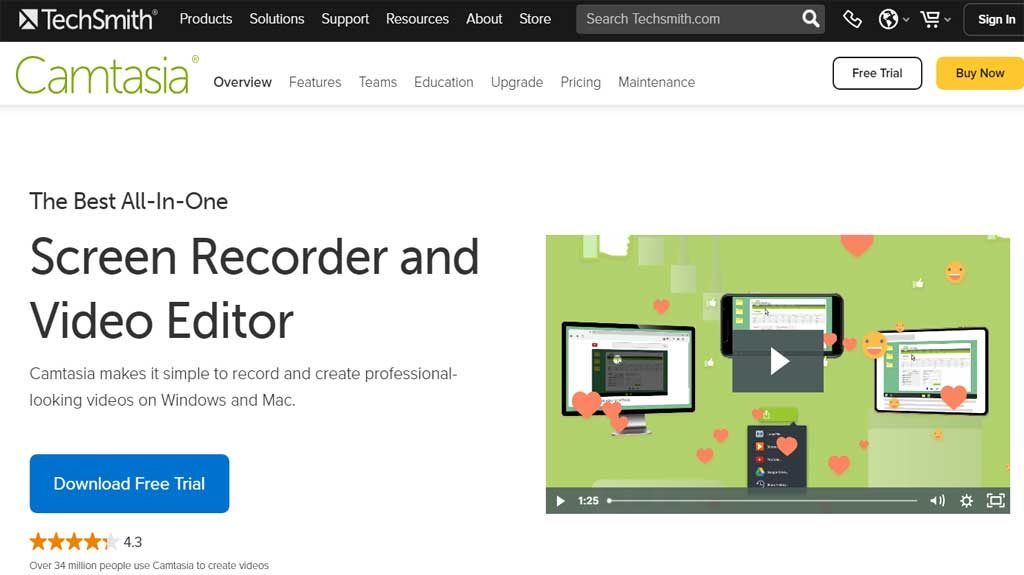
Camtasia has been an excellent tool for record screen and editing all of my videos and producing new ones. It has fantastic features and is incredibly convenient from the user’s perspective. It is also incredibly simple to train and study on. Undoubtedly a fantastic substitute for IMovie.
- Camtasia is a fantastic tool for creating, editing, and sharing screen-based movies, also known as screencasts.
- TechSmith has also built a very useful tool for successful communication combining audio, video, and motion graphics in addition to a fantastic screencasting tool.
- Camtasia now consists of the media recorder and the media editor, two distinct yet related program.
- You may record your computer screen, your microphone, your camera, and the audio from your computer by using the Camtasia recorder.
- Your narrative is now polished and improved using the Camtasia editor before being broadcast to the world.
Creating, editing, and sharing videos is made easy using Camtasia, a screen recording and video-making App. It can assist users in producing content for tutorials, product demonstrations, and more. Users can use webcams or desktop screens to record videos. Users of Camtasia can employ a variety of video templates and embellish recordings with effects and remarks. Windows and Mac computers can use this solution. A built-in library of music and sound effects is available on the platform and may be added to videos. Users may also upload audio files. Before releasing screen recordings, users can alter them by adding video transitions, animations, and customizable quizzes. Direct video sharing to websites like YouTube, Vimeo, Screencast, and others is possible.
A good screen recorder and video editing software is Camtasia. It offers both beginner and advanced users support. For a quicker and more effective approach, especially when trying to build a video presentation, the features are easy and uncomplicated. Although the product can be a bit pricy, you can examine the features and capabilities Camtasia offers and still obtain an excellent solution for a reasonable cost.
Two devices are supported and there is a one-time licensing charge included in the price. To obtain specific price details, please get in touch with TechSmith. There is online help accessible as well as alternative ways to get technical support.


The majority of user reviews indicate that using Screencast-o-Matic is a nice and engaging experience overall. All of it is quite self-explanatory, however the editing and sharing menus feature a few more intricate sections that new users might find challenging. To help you get started, the official website offers a variety of lessons and guidelines, and you can also get in touch with the crew.
- Easy to Download.
- Enables for simple screen recording.
- Only one click to record.
- Simple way to share in social media.
- Best audio and video quality.
Screencast-o-Matic is a screen recording tool for Windows and Mac that enables users to quickly and effortlessly record audio and video from their screens or through a webcam. With built-in editing tools, sharing options for posting your films online, a screenshot feature, online storage, a stock library with videos and images, and many more features, it is intended to be simple to use but completely functional. Screencast-o-Matic is available in three different editions: Free, Deluxe, and Premier. On Windows or Mac devices, the free version allows you to capture your screen or webcam, but it also comes with a number of restrictions. For instance, it features a watermark and a 15-minute recording time limit. You must purchase a Deluxe to receive the complete version.
ezvid
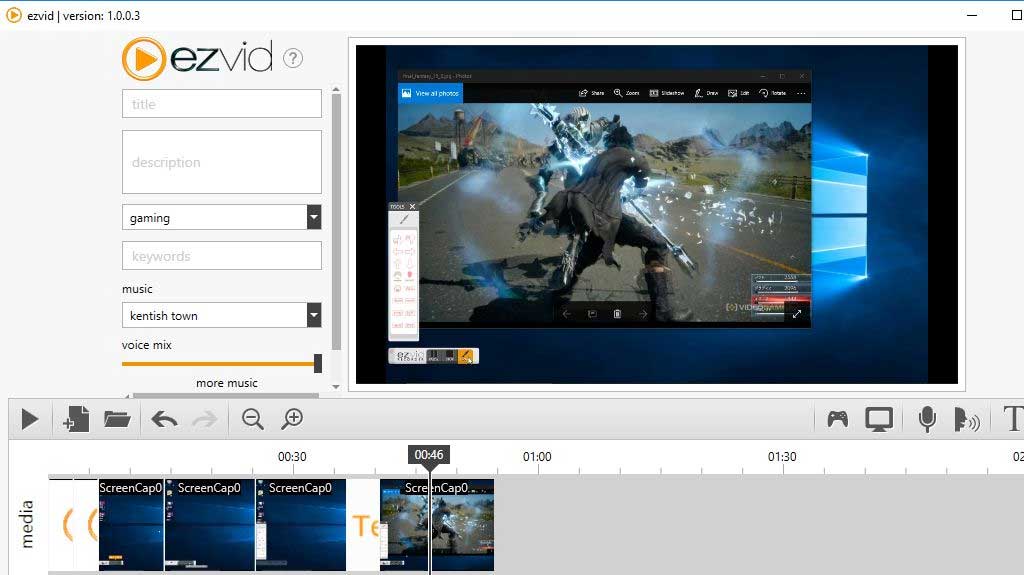
You may record anything on your screen at any moment using the Ezvid screen recorder. The process of quickly and easily recording your screen begins as soon as you click the u0022Recordu0022 button. The screen capture feature is ideal for recording gaming. Although it has an impact on your computer’s performance, the transparent capture is another feature worth mentioning. Additionally, it uses a lot of resources.
- It has advantages for all business types.
- It is simpler to record any moment on the screen.
- It has a lot of built-in functions.
The whole contents of your computer screen are recorded by the comprehensive screen recorder and video editor Ezvid. It is used by millions of artists to produce some of the most enjoyable and educational videos that we watch on Facebook, YouTube, and other platforms for user-generated content. Modern capabilities and effects including screen drawing, facecam, voice synthesis, voice recording, and speed control are available with Ezvid’s screen recorder for Windows. You can quickly submit your edited video to social networks like YouTube or edit it first and save it. It is a simple-to-use screen recording and video editing software that won’t taint your film with distracting watermarks. There is no need for extra software if your work involves text-to-speech, screen capture, video recording, and voice recording because Ezvid contains it all.

Debut Video Capture is a great tool all around. Since screen recording enables you to produce high-quality videos, the outcome is encouraging.u003cbru003e
- Record both your webcam and computer screen at once.
- Let you adjust the frame rate and screen capture.
- Stimulating effects and tools for modifying your video clips.
It’s simple to add more functionality to your screenshots with Debut Video Capture Software. The software can record video from various sources, and it has a good selection of editing tools so you can give your screen captures a unique touch. Record video from several sources. Debut Video Capture Software allows users to record live video from their screen, but it also supports external sources like webcams. The information from various sources can be used to produce videos in a variety of formats, and the software can be used to modify the videos as necessary.

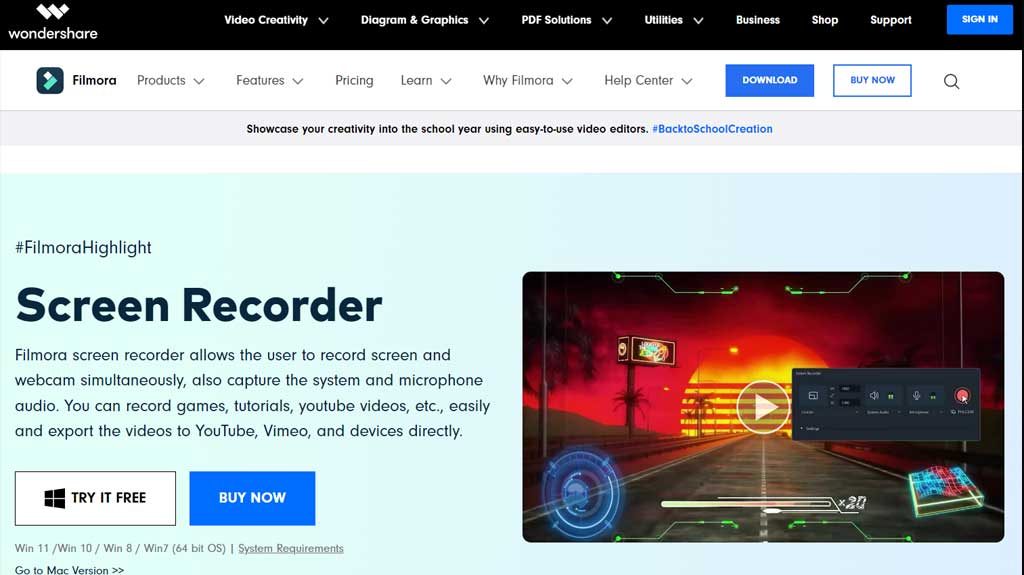
Filmora is user-friendly interface gives you more control over the films you work on. A built-in timeline will help you finish your job quickly and easily.
- Fast, intuitive visual effects and transitions during editing.
- Most recent format supports.
- Regularly introduced new features.
Editing gameplay and screen recording on a Windows PC is now simpler than ever! You may record, edit, and polish your greatest gaming films with Filmora Scrn’s simple UI. The greatest game screen recorder for Windows 10, 8, and 7 that captures gameplay from any platform may simply be this one, you’ll discover! The Filmora Scrn download is out! Record your PC game, webcam, audio, and more simultaneously and quickly. Users of the screen recorder may simply edit gameplay and create amazing recaps or screencasts by recording the displays of their PC, Mac, or gaming console. Soon, the Mac version will be accessible.
[Click Here] Read more about Filmora Screen Recorder Review

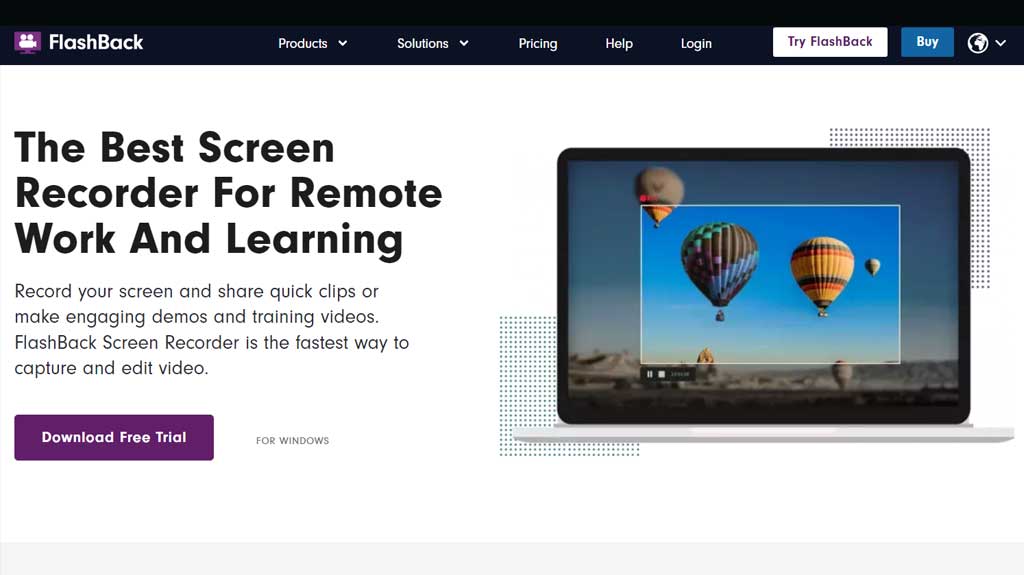
Make compelling demo and training movies by recording your screen and sharing brief segments. The quickest method for recording and editing video is with FlashBack Screen Recorder.
- Capture anywhere
- Multi-device capture
- Upload to youtube
The excellent freeware Flashback free screen recorder offers a wide range of capabilities. To mention a few, there are options to record the screen and noises as well, capture the camera, add commentary, record without watermarks, save recorded video in any format (AVI, MP4, WMV), and more. The most recent free version of the flashback screen recorder is 5.45.0. On June 2, 2020, the most recent version was released. The free edition of flashback screen recorder has a 25.7 Mb download size. However, Windows XP or a later version is required to fully appreciate this software.
Apowersoft

Apowersoft screen recorder is impressive because of the thoughtful design of the software. In other words, it gives you the option to set up a scheduled activity by defining the start time and the specific duration in advance. So you don’t have to sit in front of the computer to record screen video.
- Flexible Screen Capture
- Ultra-Simple Recording
- Record Anything on Screen
The ability of the Apowersoft screen recorder to capture screen and video with audio from systems, microphones, or both is just wonderful. More impressively, it supports recording screen and audio activities simultaneously, dispelling gamers’ concerns that there might not be a software that can maintain the games and their speech in sync. This screen recorder, which is available for Skype, MSN, and GTalk in addition to many more services, can certainly meet your needs if you wish to record screen footage with a webcam. By default, it stores the recording in normal WMV format, allowing you to send it immediately to other people. This tool allows users to record videos in nine different formats, including MP4, AVI, WMV, FLV, MKV, MOV, MPEG, VOB, and WEBM.
OBS
The greatest software used for streaming and recording videos is called Open Broadcaster Software. It is free and open source, so anyone can use it. Even if they don’t have much technical knowledge, we can set it up in under 15 minutes and get broadcasting right away.
- A large selection of screencasting features is available in OBS Studio. Even though the software is free, it contains strong features that no other free software provides.
OBS Studio is a superb open-source screen recording tool for documenting and sharing business and work activities that are displayed. The OBS screen recorder can also create screencasts, which are useful for live presentations, webinars, tutorials, and other events, as well as broadcast your game broadcasts over numerous sites like Twitch and YouTube. The OBS Studio video recorder is a potent tool that can be used for much more than just simple and quick screen captures. Users of the application can combine numerous sources to create a seamless broadcast by working on them simultaneously. Since many of the available solutions for video streaming software are pricey, free software frequently lacks key crucial functionality.
ShareX

ShareX is a fantastic tool to select if you’re seeking for a dependable and effective screen capture, productivity, and file-sharing solution.
- It is simpler to record any moment on the screens with screen capture.
- It has a lot of built-in functions and is useful for both monitoring staff performance and recording films to share with clients.
ShareX is a free and open-source tool that enables you to quickly share any portion of your screen after capturing or recording it. Additionally, you can upload files in other formats, such as text, photos, or other supported destinations. With the aid of the screen capture application ShareX, you can quickly publish a screenshot of a specific area of your desktop to more than 25 different file hosting platforms, including Imgur, Flickr, ImageShack, TinyPic, Dropbox, and more. I personally use imgur.com for screenshots, and my image is uploaded and ready to post in less than a half-second. This free, open-source, and feature-rich screenshot capture software has my utmost praise!
Pro Tip: Convenience matters a lot. Is it user-friendly? Was the novice user in mind when it was designed, or was someone with knowledge assumed? Does it a little or a lot of further education? Before choosing, be aware of what you are getting yourself into.
About our rankings:
The greatest screen capture tools make it incredibly simple to demonstrate how something functions—or, if you’re submitting a support request, how it doesn’t. However, various people will have different needs and wants. We examined about 30 apps as part of our research, ranging from simple three-button windows to sophisticated programmes packed with features. Prices for the choices range from zero to several hundred dollars. Although each of our choices for the best screen recorder software has a distinctive function, they all adhere to some fundamental standards.
- the capacity to capture a single area, a window, or your entire screen
- the capability of overlaying a camera stream over the screenshot
- simultaneous recording of system audio and microphone
- either integrated video sharing or practical exporting tools
- a simple, welcoming user interface
The procedure doesn’t stop with the screen recording, of course. We also took into account the post-capture editing options because the quality of the finished result can make or break user interest. Here is what we discovered.
Our Research & Strategy:
Our selection of screen capturing solutions includes both desktop apps and browser-based programmes. Each selection satisfies the following prerequisites:
- Is simple to use
- captures the full screen, a specific region, or a single window
- allows viewers to add notes to the recorded video
- audio from the system and the microphone
- captures video from outside sources
- include export options
It’s also important to note that a lot of the software choices support HD recording. But it’s crucial to be aware that HD files take a long time to upload. HD is not necessary if you just want to swiftly post videos of regular quality to the internet.
Pro Tip: Is it a paid or unpaid screen recorder? Does the fine print exist? Certain functionalities frequently end up being blocked by a paywall.
Our Screen Recording Software Experts:
Our team of specialists in screen capturing software and has a wealth of knowledge and many hours of study. We used our research techniques to rank these screen recording programmes and learn about all of their major attributes.
Screen Recorder for PC Buying Guide
The best screen recording software can be used for a range of tasks, and they don’t always have to be expensive. Depending on your specific requirements and the operating system you’re using, a free screen recorder might help you accomplish your goals. You can also subscribe to a subscription alternative if you want more power or access to advanced editing tools. Hopefully, one of these screen recording tools will meet your needs, whether you’re doing a YouTube instructional or just showing off a gaming win to your friends.
How to save money on Screen recorder for PC:
There are several free screen recorders that may get the job done with satisfying results without emptying your wallet, whether you’ve paid for a lot of software after trying trial versions and getting nowhere near the value that was anticipated. A word of warning, though: some sellers may demand that you purchase a paid version after downloading their “free” programme in order to access all of its features. The finest screen recording software offers both free and commercial options that may be used to record work- or leisure-related activities on your PC. Depending on the nature of your responsibilities, you may choose to invest in one of the aforementioned goods. The people who are working on eLearning video projects professionally might profit the most. Users with extensive technical knowledge may choose the free Loom screen recording tool.
Pro Tip: You must confirm that the editing features meet your requirements. It wouldn’t be helpful if you selected screen-recording software only to discover later that it lacked editing capabilities. Even worse, it might not even offer video editing. You would be forced to use something that is inadequate for your requirements.
Personal vs Commercial:
There are no time restrictions on the length of your movies while using OBS, also known as Open Broadcaster Software, which is a free screen recorder and it is one of the best tool for personal use. The desktop application gives you the opportunity to select the area of the screen you wish to record, but it also gives you the option to record the full screen. Customizable hotkeys make it easier to manage the recording, and an audio mixer lets you create films with seamlessly captured audio. OBS comes offers live-streaming options in addition to the simple screencasting tools that you won’t find in the built-in screen recorders of most popular OS systems.
Without imposing any time restrictions on the video, commercial product enables you to record games, webcam, computer screen, and audio simultaneously when it comes to commercial purpose. You have the choice of recording at 15–120 frames per second. For recording gaming with lots of motion, a higher FPS is ideal. To enhance the viewing experience for your audience, the software also allows you to add annotations like text. In order to give your cursor a distinctive appearance, you can also change its size, color, and form.
Pro Tip: Although it might not appear as crucial as, say, altering features, don’t undervalue it. It would be ideal if you could contact customer service in times of need and get knowledgeable guidance.
FAQs
Yes, it really is fairly simple. To speed up the procedure, you can either utilize your computer’s built-in screen recorder feature or download an appropriate utility or software. The procedure of screen recording will then be determined by your device or the software you choose.
The quality of your screen recording will improve with a greater frame rate, especially if there is any kind of movement on the screen. The frame rate of recordings normally varies, but if it is possible, you should strive to boost it on your video recorder for PC to 60 frames per second.
- Install Screenity in Chrome Extension
- After installing the Chrome Extension, launch Netflix in the browser.
- Click the Start Recording option, then select Screen and System sound.
- When finished, click “stop recording” to save the video to your computer.
- Press the keys Shift, Ctrl, and Show Windows.
- Pick Screen record from the menu at the bottom of the page.
- Choose an option: Take a full-screen recording. Save a portion of the screen. Note down a window.
- At the bottom right, click Stop recording to end the recording.
Chrome addon for capturing video from the screen or from the camera (desktop, specific application window or Chrome tab). Use is free There is no need to register. There is none unlimited screen recording Autosave films and recover your recordings after a crash are the new features.
The Captures folder is where your screen recordings are all by default kept. Navigate to Gaming under Settings. From the menu options on the left, select Captures. Here, you may store all of your screenshots and screen captures.
If you want to film games or make a tutorial for someone using Microsoft Office, you may record a video of your actions in almost any Windows app on your laptop. Open the recording-related app. Sadly, the screen recorder utility cannot record specific software, including File Manager, or the full desktop, but it can record typical desktop apps.